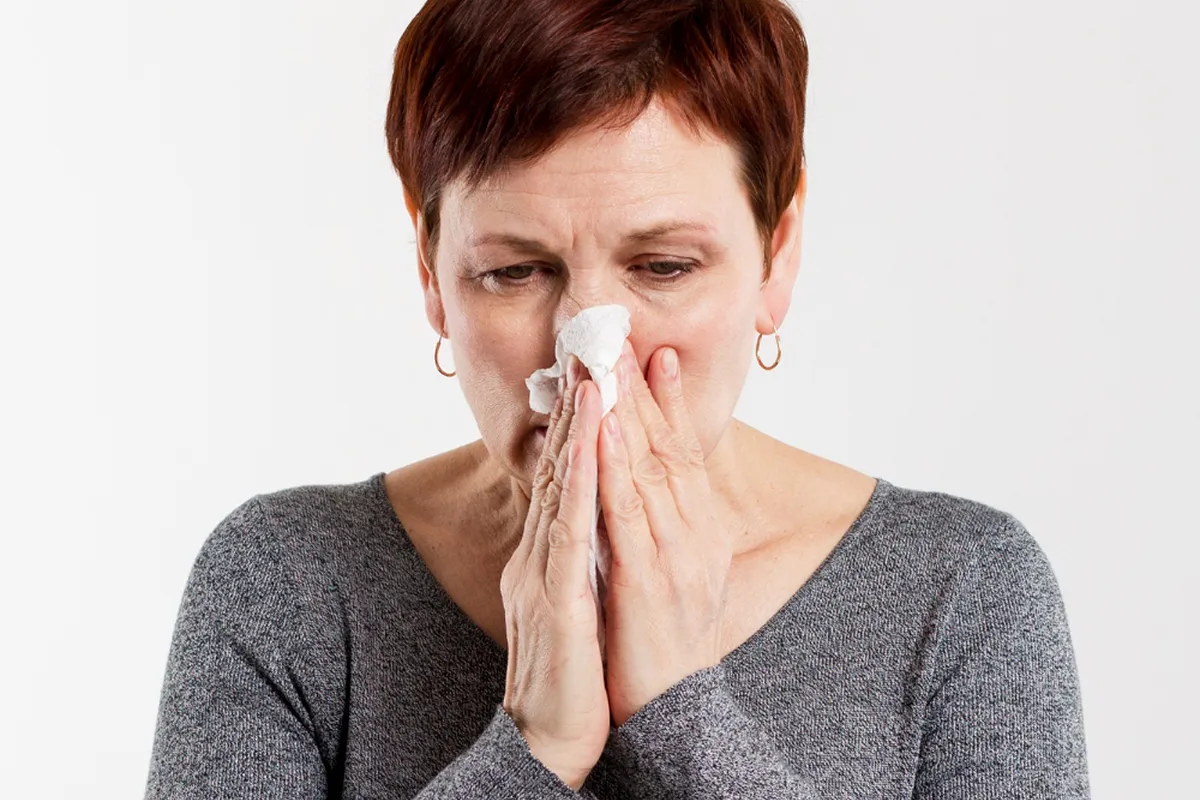
Allergic rhinitis (often called hay fever) and allergic conjunctivitis occur when the body reacts to allergens such as pollen, dust mites, mould, or animal dander. Symptoms usually start soon after exposure and may be seasonal or present all year round.
Nasal Symptoms commonly include sneezing, a clear runny nose, nasal congestion or blockage, and itching of the nose or throat. Symptoms may come and go or be persistent and can range from mild to more troublesome, sometimes affecting sleep, concentration, work or school.
Eye Symptoms are common and may occur alongside nasal symptoms or on their own. These include red, itchy or watery eyes, a burning or gritty sensation, and mild swelling or puffiness of the eyelids. Discharge from the eyes is usually clear and watery rather than thick or sticky. Symptoms often affect both eyes.
Some people, particularly children, may rub their nose or eyes frequently and may feel tired or irritable if symptoms are ongoing.
Symptoms such as eye pain, blurred vision, sensitivity to light, facial pain, or symptoms affecting only one eye are not typical of allergic conditions and should be reviewed by your GP.
Treatment for allergic rhinitis focuses on relieving symptoms and reducing the body’s allergic response. The most appropriate treatment will depend on the type and severity of symptoms and how often they occur.
Antihistamines are commonly used to help relieve sneezing, itching, and a runny nose. They work by blocking histamine, the chemical released during an allergic reaction. Some antihistamines act quickly to relieve symptoms, while others are taken regularly to keep symptoms under control.
Steroid Nasal Sprays are often recommended where nasal congestion or blockage is a main symptom. These work directly in the nose to reduce inflammation and swelling and are particularly effective when used consistently. They may take a few days to reach full effect, so regular use is important for best results.
For people with eye symptoms, such as itchy, red or watery eyes, appropriate eye drops may be recommended to soothe irritation and reduce allergic inflammation.
Treatment works best when started early, ideally at the first signs of symptoms or before known exposure to triggers such as pollen. Some people may only need treatment during certain times of the year, while others may benefit from ongoing treatment for year-round symptoms.
Our pharmacists will assess symptoms and advise on the most suitable treatment option, as well as how to use it correctly and safely.
While it is not always possible to avoid allergens completely, taking practical steps to reduce exposure can help minimise symptoms of allergic rhinitis and allergic conjunctivitis.
For people affected by pollen, symptoms are often worse during spring and summer. Checking daily pollen counts, keeping windows and doors closed during high-pollen times (especially mid-morning and early evening), and avoiding drying clothes outdoors can help. Showering, washing hair, and changing clothes after being outside can reduce pollen brought into the home. Wearing wraparound sunglasses may also help protect the eyes.
For house dust mite allergies, reducing dust indoors is important. Using allergy-proof covers on pillows and mattresses, washing bedding regularly at high temperatures, and choosing hard flooring rather than carpets where possible may help. Regular cleaning with a damp cloth and using a vacuum cleaner with a HEPA filter can reduce airborne allergens.
If symptoms are triggered by pets, keeping animals out of bedrooms, limiting access to soft furnishings, and washing pet bedding frequently may reduce exposure. Washing hands and changing clothes after contact with animals can also help.
For mould-related allergies, keeping the home well ventilated and dry is key. Using extractor fans when cooking or showering, avoiding drying clothes indoors, and addressing damp or condensation promptly can reduce mould spores.
Starting treatment early, before symptoms become severe, and using medicines correctly and consistently can also help prevent symptoms from worsening during allergy seasons.